
WATER FEATURE INSTALLATION
Recreational Ponds
The latest trend in outdoor living
Traditional, chemically treated pools are being replaced with water the way nature intended it to be—naturally balanced and filtered, providing a healthier, sustainable environment for human interaction.
THE EXPERIENCE
The Ultimate Backyard Destination
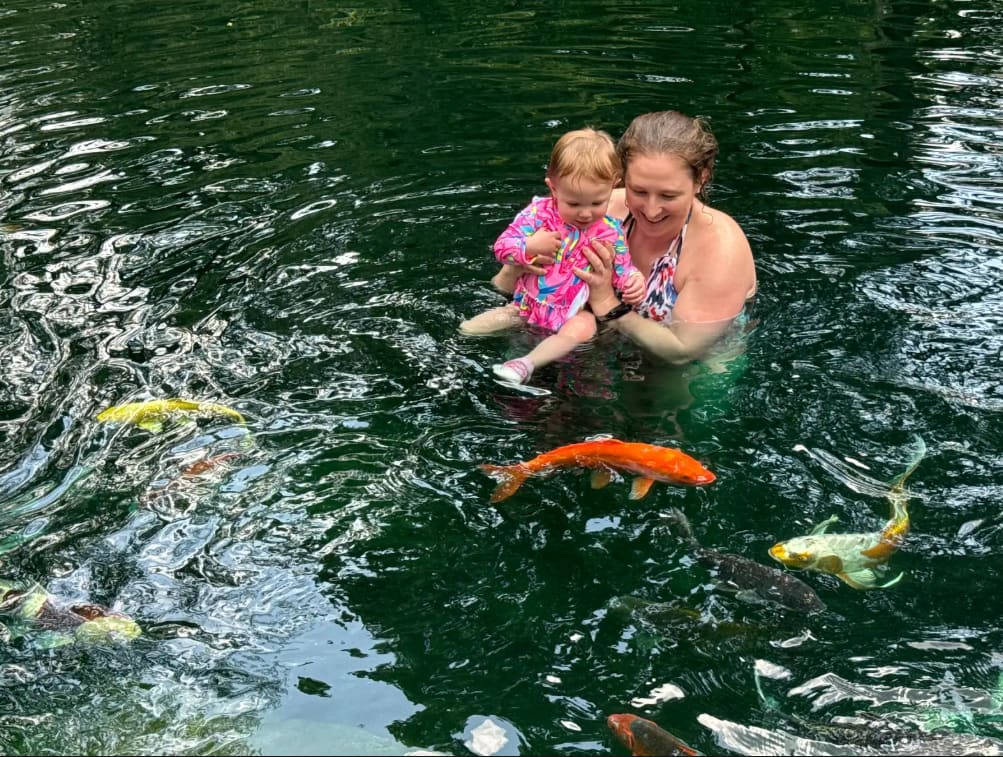
Recreational ponds are the latest trend in outdoor living spaces. Using natural biological filtration—the same principles as our ecosystem ponds, but on a grander scale—these features provide naturally balanced, crystal-clear water without harsh chemicals.
When properly designed and built, a living aquatic ecosystem creates a unique environment that can be enjoyed 365 days a year. Unlike conventional pools, a recreational pond features a naturalistic shape, waterfalls, plants, and thriving aquatic life.
Whether you're looking to create a serene retreat, a gathering place for family and friends, or simply a breathtaking focal point, a recreational pond transforms your property into something truly extraordinary.
HOW IT WORKS
Natural Filtration System
The most important part of rec ponds: filtration, filtration, filtration! With proper filtration, the water quality is impeccable with very little maintenance—and NO NEED for harmful chemicals.
Skim Cove
Pulls in debris and/or fish waste, which is pumped to a wetland filter.
Wetland Filter
Fills from the bottom up, sifting out minerals and contaminants naturally.
Aquatic Plants
Use nutrients in the water to naturally balance PH, nitrate, phosphate, and ammonia while managing algae.
ADVANTAGES
Benefits
Chemical-Free
Naturally balanced and filtered water—no chlorine, no salt, no harsh chemicals
Stunning Centerpiece
A truly unique feature that becomes the focal point of your property
Wildlife Habitat
Attracts birds, dragonflies, and other wildlife to your backyard
Healthier & Sustainable
Water the way nature intended—a healthier, sustainable environment for human interaction
Year-Round Enjoyment
A living aquatic ecosystem that can be enjoyed 365 days a year
INVESTMENT
Pricing
Recreational ponds are significant projects, custom-designed for your property. Final pricing depends on size, site conditions, and features.
Small Recreational Pond
Avg. 15' x 20' x 4'
Starting at $60,000
Intimate natural water feature
Recreational Pond
Avg. 20' x 30' x 4'
Starting at $85,000+
Full-size recreational pond
IS IT RIGHT FOR YOU?
Is a Recreational Pond Right for You?
You have a large property (typically 1+ acres)
You want a truly unique, show-stopping feature
You prefer naturally balanced and filtered water—no harsh chemicals
You're looking for a long-term investment in your property
You want to create a private backyard retreat with a living aquatic ecosystem
CLIENT STORY
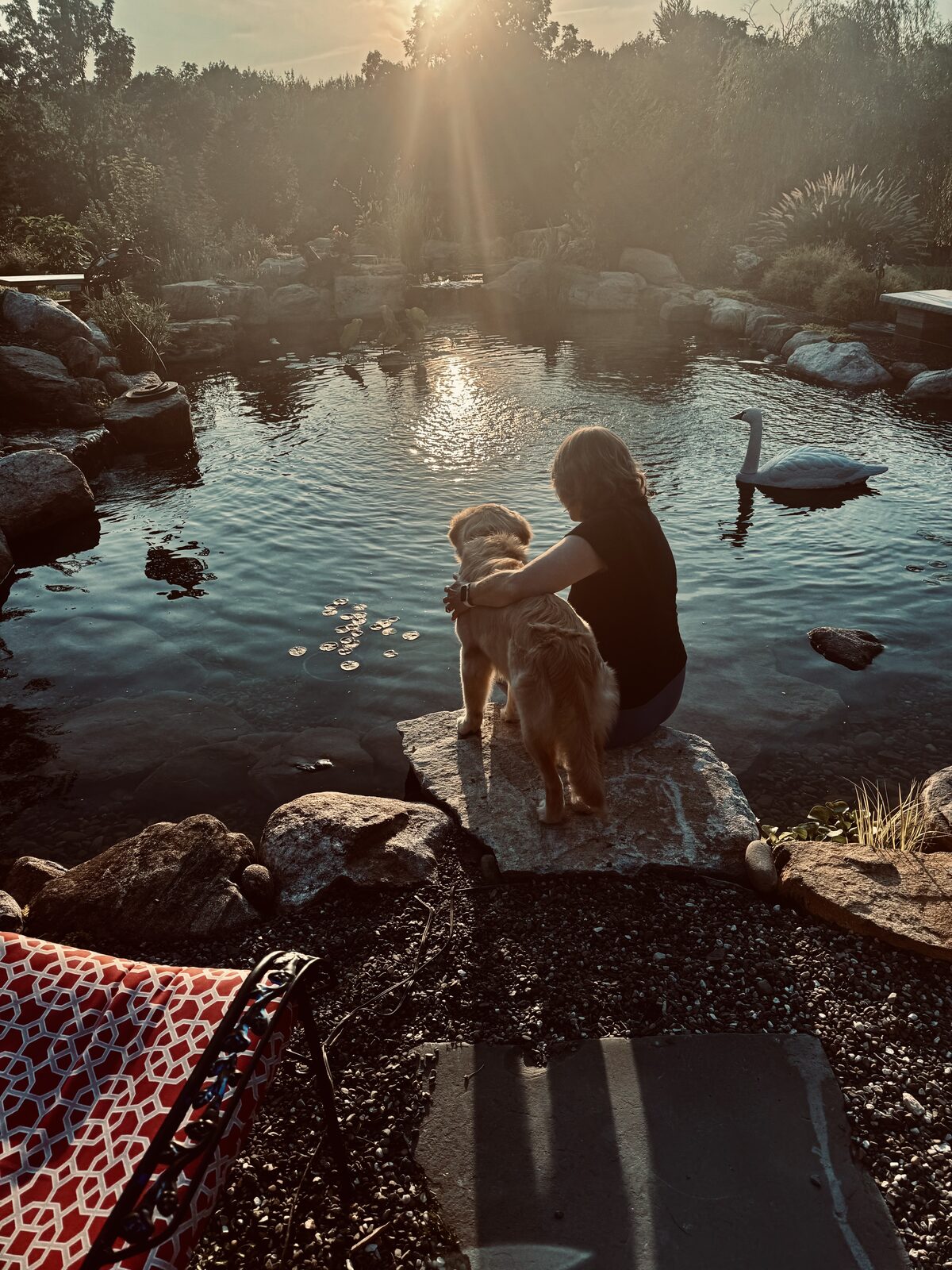
"Even when we're up on the back deck of the house having dinner or sitting around with friends, we can hear the water."
Greg, Warwick, NY
In 2022, our team built Greg and Dixie a custom 20' x 30' Recreational Pond with a 4-foot swimming depth, wetland filtration, and twelve LED lights, completed in just ten days.
Read their full story →CUSTOM DESIGN
Recreational Pond Design
Every recreational pond design we build is custom-drawn for the property. There's no template — the team studies your grade, sight lines, sun exposure, and how you want to use the water before a single rock is set. Below are the design elements that go into a typical naturalistic recreational pond (sometimes called a natural swimming pond):
Swim Zone vs. Regeneration / Wetland Zone
Two distinct areas: a deep, open swim zone for human interaction, and a separate planted regeneration zone (wetland filter) where aquatic plants polish the water. The zones are visually integrated but hydraulically separated.
Depth
Most recreational ponds are designed around a 4' deep swim zone — deep enough to fully submerge, shallow enough to stay under most municipal pool ordinances. Deeper pockets can be added where site and permits allow.
Zero-Entry / Beach Entry
A gently sloped pea-gravel beach entry replaces ladders and hard pool edges. It's the easiest way in and out — and the best seat in the pond on a hot afternoon.
Natural Stone Edges
Hand-set Pennsylvania fieldstone, boulders, and ledger stone around the perimeter. No coping, no concrete bond beam — the edge disappears into the landscape.
Docks & Decking
Optional cantilevered ipé or composite decks, stepping-stone piers, and floating swim platforms designed to overhang the water and double as lounging space.
Integrated Waterfalls & Streams
Every recreational pond is paired with a waterfall or stream that doubles as primary aeration. The sound carries across the yard and the moving water keeps the pond cool and oxygenated.
Underwater & Landscape Lighting
Submersible LED lighting in the swim zone and waterfall, plus uplighting on key boulders and specimen plantings — the pond is just as dramatic at 9 p.m. as it is at noon.
Planting Design
Hardy water lilies, lotus, marginal iris, pickerel rush, and submerged oxygenators are placed in the wetland zone and along the edges. The planting plan is part of the filtration system, not decoration.
COMPARISON
Recreational Pond vs. Swimming Pool
A recreational pond and a chlorinated swimming pool both give you somewhere to cool off — but that's about where the similarities end. Here's an honest side-by-side, based on 30+ years of building both kinds of water on Hudson Valley properties.
| Recreational Pond | Conventional Swimming Pool | |
|---|---|---|
| Chemicals | None. Beneficial bacteria, enzymes, and the occasional phosphate binder. No chlorine, no salt. | Chlorine or salt chlorine generator, stabilizer, pH adjusters, algaecide, shock — added weekly. |
| Maintenance | Bi-weekly natural treatments; deep clean every 1–2 years. ~30 min/week in season. | Daily skimming, weekly testing & balancing, filter backwashing, opening & closing services. |
| Aesthetics | Naturalistic — boulders, waterfalls, plants, fish. Disappears into the landscape. | Geometric tile, coping, concrete or vinyl. Always reads as 'pool.' |
| Wildlife | Welcomes dragonflies, frogs, birds, and butterflies. A true backyard ecosystem. | Sterile by design — wildlife is treated as contamination. |
| Lifetime Cost | Higher upfront, dramatically lower operating cost. No chemicals, no annual liner replacement, no resurfacing. | Lower upfront, but ongoing chemicals, heater, opening/closing, and resurfacing every 7–15 years. |
| Experience | Cool, soft, naturally filtered water. Sound of a waterfall. Year-round visual interest. | Heated, sanitized water. Functional in summer; covered or fenced off the rest of the year. |
Recreational Pond vs. Koi / Ecosystem Pond
Both use natural biological filtration — but they're designed for different things. A koi or ecosystem pond is built around the fish: typically 8'×11' to 16'×21', 2–3' deep, with rock-and-gravel bottoms, lush planted shelves, and filtration sized for a heavy fish load. You watch it; you don't get in it.
A recreational pond is built around you: larger (typically 15'×20' or bigger), 4' deep, with an open swim zone, a separate wetland regeneration zone, and a beach entry. Fish are optional, and filtration is scaled up to keep the water swim-clear with much lower fish load.
Not sure which fits your property? See our ecosystem koi ponds →
WHAT TO EXPECT
The Build Process & Timeline
A recreational pond is a significant project, and we believe in radical transparency about how it gets built. As a family-owned, Certified Aquascape Master Contractor since 1991, the team has refined the process to seven clear stages — no surprise change orders, no guesswork on schedule.
- 1
Consultation & Custom Design
On-site visit, conversation about how you want to use the pond, and a custom design tailored to your grade and sight lines. Typical: 2–4 weeks from first call to approved plan.
- 2
Excavation
Heavy equipment shapes the swim zone, wetland zone, beach entry, and waterfall berm. Spoils are reused on-site where possible. Typical: 3–5 days.
- 3
Liner & Underlayment
Heavy-duty underlayment, then a single-piece 45-mil EPDM rubber liner (lifetime warranty) is laid in. Typical: 1–2 days.
- 4
Filtration & Wetland Build
Skim cove, pump vault, BioFalls or wetland filter cells, plumbing, and aeration are set and pressure-tested. Typical: 2–4 days.
- 5
Rockwork
Hand-set boulders and natural stone around the perimeter, beach entry, and waterfall. This is where the pond stops looking like a hole and starts looking like it's always been there. Typical: 4–7 days.
- 6
Planting
Wetland zone is planted with the engineered mix of aquatic plants that drive the biological filtration, plus marginal and edge plantings. Typical: 1–2 days.
- 7
Fill, Balance & Walk-Through
Pond is filled, beneficial bacteria are added, and the system is balanced. You get a hands-on walk-through of pumps, valves, and seasonal care before we leave.
Overall timeline: Most full-size recreational ponds take 3–5 weeks of on-site work once we break ground, weather depending. Permitting and design happen in parallel before the dig date so the schedule stays predictable.
OWNERSHIP
Maintenance & Year-Round Use
One of the biggest misconceptions about recreational pond design is that it's high-maintenance. The opposite is true. Because the pond filters itself biologically, weekly upkeep is roughly half an hour of light skimming and a bi-weekly dose of natural bacteria and enzymes. No chlorine to balance, no daily testing.
Swimming Season (May – September)
Hudson Valley summers are when the pond earns its keep. Water temperatures sit in the mid-70s to low-80s — cooler than a heated pool, which is exactly the point. Daily light skimming, bi-weekly natural treatments, and the occasional rinse of the skimmer net is the entire weekly to-do list.
Shoulder Seasons (April & October)
Spring opening: leaf-out cleanup, restart bacteria dosing, inspect pumps and lighting. Fall: install leaf netting before the trees turn, trim back wetland plants, and prep for winter. Both visits are included in our seasonal maintenance memberships.
Winter (November – March)
Across NY, NJ, and PA, recreational ponds ice over and look stunning doing it. The waterfall is typically shut down and an aerator or de-icer keeps a hole open for gas exchange. Plants and any fish go dormant — nothing to drain, nothing to winterize against freeze damage.
Year-Round Visual Interest
Unlike a covered pool, a recreational pond is beautiful every month of the year — frozen and snow-dusted in January, dragonflies in July, fall foliage reflecting on the surface in October. That's the whole point of building a living aquatic ecosystem instead of a sanitized box.
Don't want to handle it yourself? See our maintenance memberships → — opening, closing, and ongoing care plans built specifically for recreational ponds in our climate.
OUR WORK
Gallery
COMMON QUESTIONS
Frequently Asked Questions
Where We Build Recreational Ponds
Recreational ponds need room, access for heavy equipment and the right soils, so every project starts with a site visit. These are the counties and towns our crews travel to from Warwick, NY.
New York
Counties
Towns
New Jersey
Counties
Towns
Ready for the Ultimate Backyard Retreat?
Take our 2-minute quiz to get a personalized recommendation and see transparent pricing.
Find My Perfect Water Feature →Prefer to talk? Call us at 845-651-4100
Garden State Koi • 657 NY-94, Warwick, NY 10990 • Mon–Fri 9am–5pm