
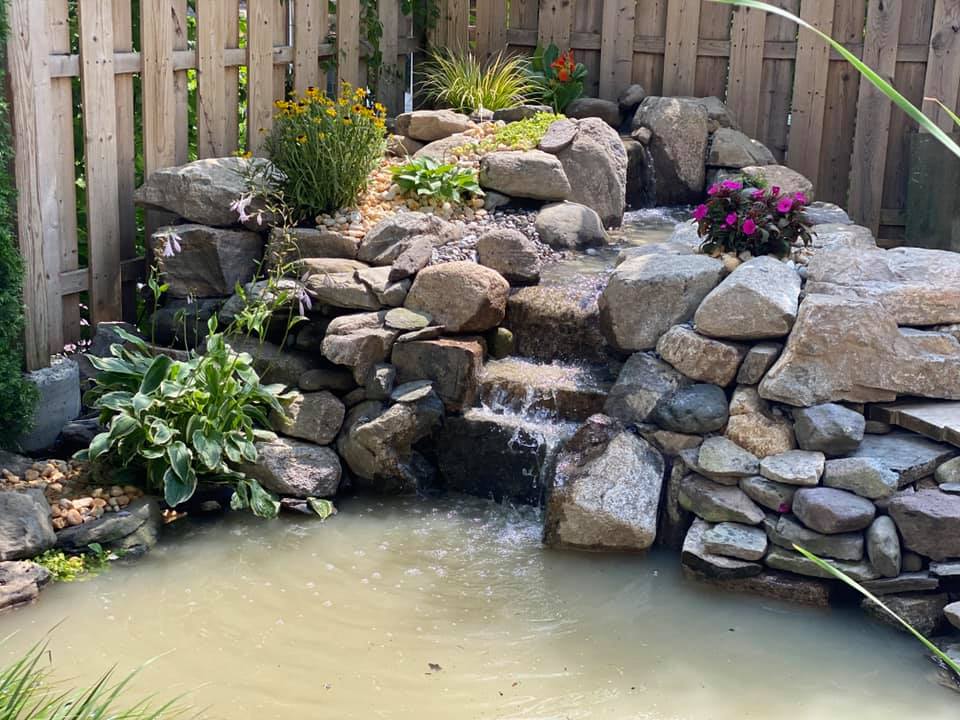
2. Algae Blooms
Algae blooms, often resulting in green water, can occur when there's an excess of nutrients in the pond, often due to overfeeding or a lack of plant life.
Solution: Cut back on feeding, introduce more plants, particularly oxygenators, and consider using a UV clarifier, which can kill the algae.
3. Sludge Build-Up
Sludge at the bottom of your pond can be a normal part of the ecosystem, but too much can deplete oxygen levels and harm pond life.
Solution: Regularly remove sludge using a pond vacuum or net. Consider adding a pond aerator to increase oxygen levels.
4. Sick Fish
If your fish are acting strangely or showing signs of disease, it's crucial to act quickly.
Solution: Test your water quality to ensure it's within safe parameters. If a specific disease is suspected, there are many treatments available. Consult with a pond professional to ensure you're using the right one.
5. Leaking Pond
If your pond's water level is consistently dropping, you may have a leak.
Solution: Check your pond liner for any signs of damage. Small leaks can often be repaired, but larger ones may require a new liner.
6. Overgrown Plants
Plants are essential for a healthy pond, but some can grow rapidly and take over if not managed.
Solution: Regularly trim back plants to keep them in check. If a plant is becoming too invasive, you may need to remove it and replace it with a less aggressive species.
Remember, prevention is always better than cure. Regular maintenance, monitoring water quality, and keeping a balanced ecosystem can prevent many common pond problems. However, when issues do arise, don't panic. With a little troubleshooting, your pond will be back to its best in no time.
At Garden State Koi, we're always here to help with your pond care needs. Whether you're dealing with a common pond problem or just need some advice, don't hesitate to reach out. We're committed to helping you enjoy your pond to the fullest.